The Studio
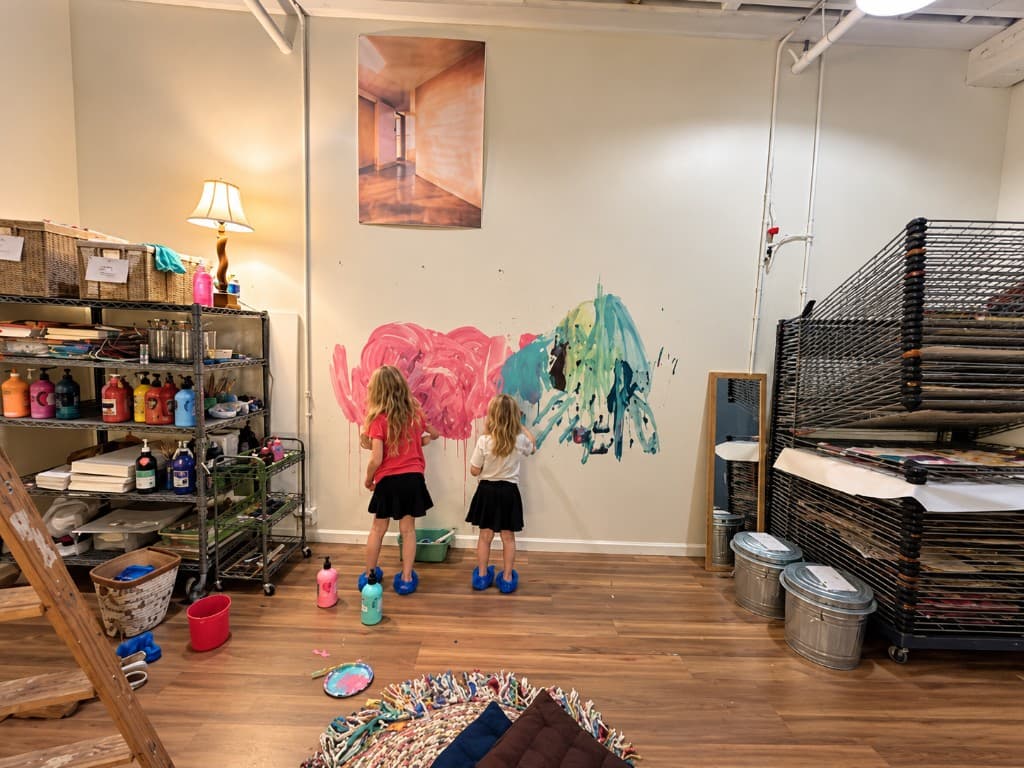
Freeform Studio is 14 x 18 ft with 12 ft ceilings. Big things happen in this small space.
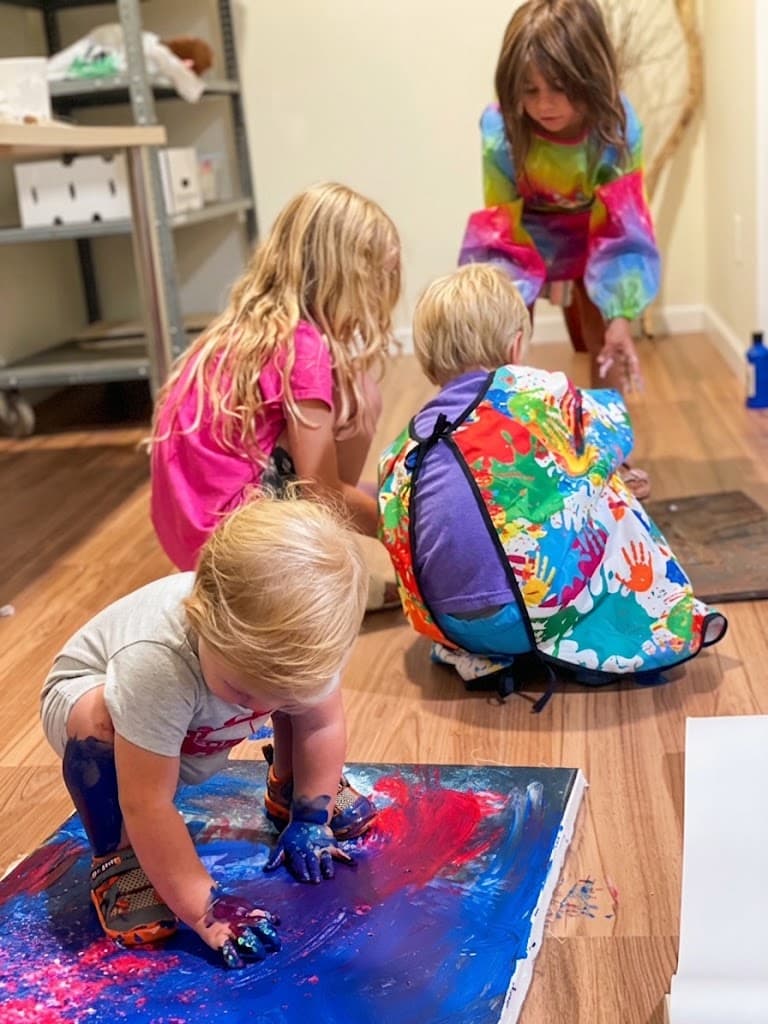
At Freeform Studio, the studio is more than an office. It's a living arts space. Improvisational, material, embodied, and free. Children are welcomed into a space with vast material possibilities, but materials are only a part of it. The child's body, voice, movement, and imagination are creative instruments too. Some children move between materials. Others focus deeply on a single process. Some engage through spontaneous play, embodiment, or improvisation. There is room for quiet reflection, active expression, and everything in between.
The studio is stocked with watercolor and acrylic paints, relief printmaking and screenprinting materials, photography, found objects, large scale paper and canvas, and unconventional tools. What gets used on any given day follows the child, not a curriculum.
When a child's idea calls for it, real technical skill is there to meet it, painting, printmaking, sculpture, installation, whatever the work actually needs.
Why Materials Matter
Children process the world through action, sensation, and physical engagement. Working with their hands, feeling the weight of clay, the resistance of paper, the unpredictability of water on a surface, gives them a way to externalize what's happening inside. It makes the invisible visible. And when the body gets involved, through movement, gesture, or spontaneous play, something deeper opens up.
Tools like a Buddha board, paper you paint on with water, where the marks appear dark and then slowly fade, can become a way to explore impermanence, loss, and the way emotions come and go. Forms emerge and dissolve. Nothing needs to be permanent. The materials, the body, the imagination. They are instruments of making and of being.
Beyond the Studio Walls
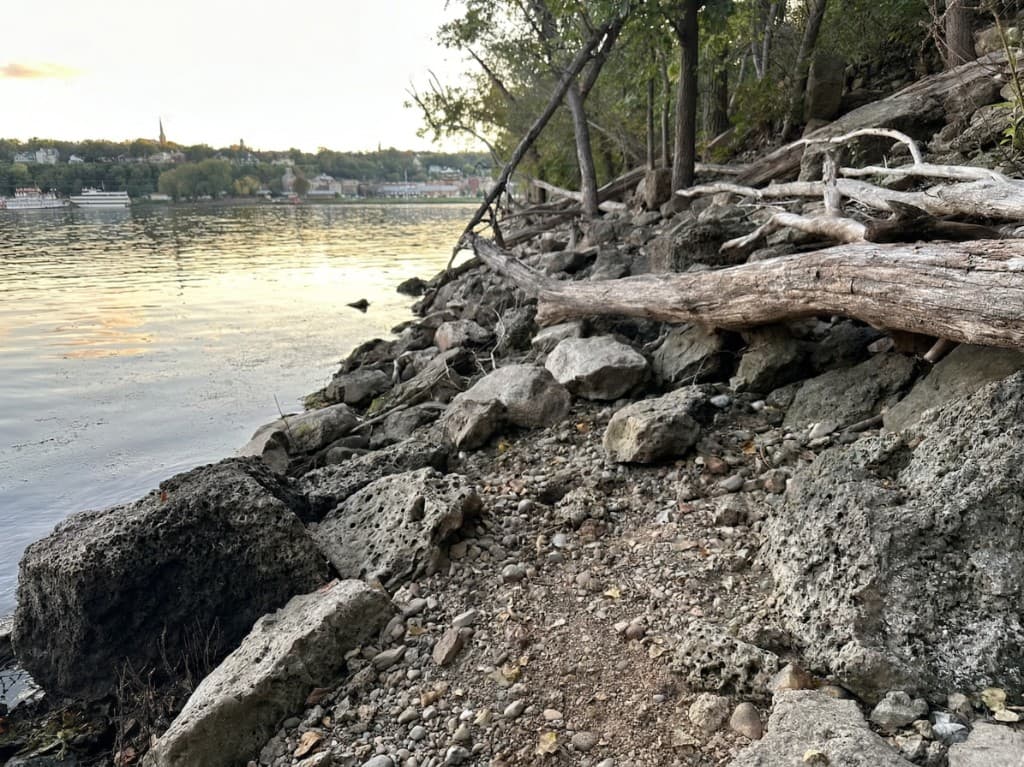
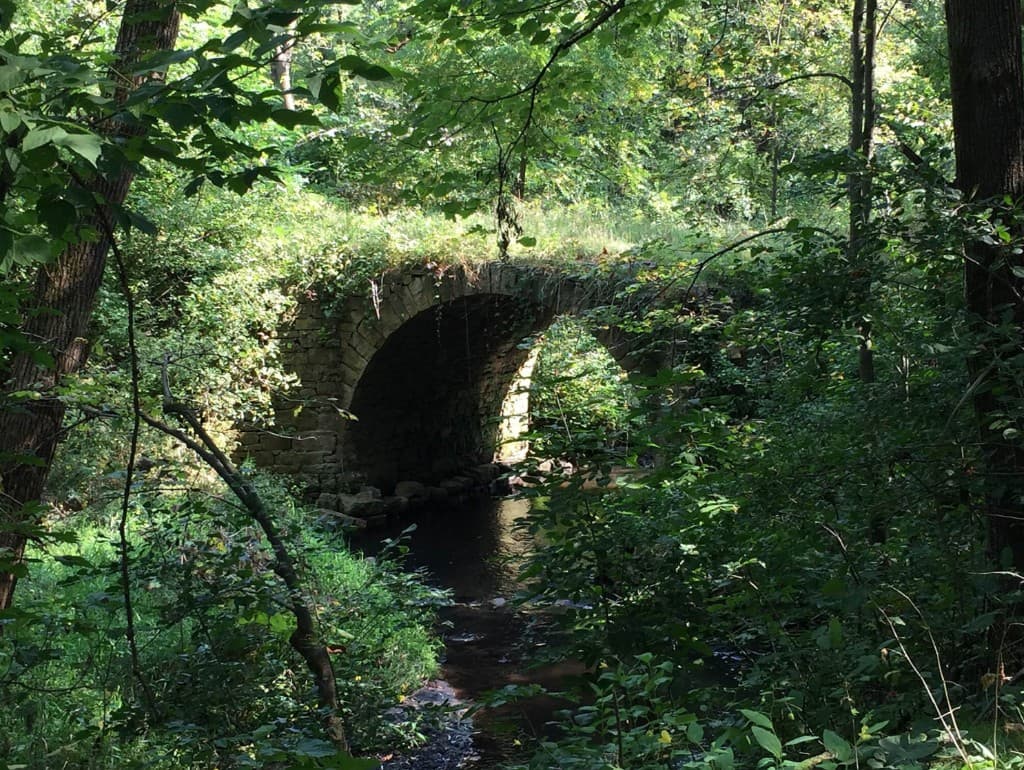
Stillwater sits along the St. Croix River, surrounded by wooded trails, sandstone bluffs, creeks, and open green spaces. When it serves the work, the natural environment becomes part of the creative process. A walk along Brown's Creek, the texture of bark and stone, the movement of water. These are materials too.
Nature offers children a different kind of sensory engagement: space to move, surfaces to touch, sounds and rhythms that can't be replicated indoors. For some children, being outside shifts something that sitting in a room can't. The studio remains the center of the work, but the landscape around it is part of what makes this practice what it is.
A Space Without Expectations
Childhood should be the most free and uninhibited time of life. But for many kids, it doesn't feel that way. They're surrounded by rules, structure, expectations, performance demands: what they're supposed to do, who they're supposed to be.
The studio is different. There is no right way to create here. There is no product to deliver. No grade. No judgment. Things can be built and taken apart. Ideas can emerge, shift, and become something entirely new. The mess is welcomed, not cleaned up, not apologized for, because mess is what genuine creative freedom actually looks like.
Your child doesn't need to be “good at art.” They just need to show up.